
)
)
)
SESSION SPOTLIGHT: Pathways to Leadership in Blue Light Services
What does leadership in the blue light sector look like when the emergency services are facing growing public scrutiny and workforce challenges? In the session: Pathway to Leadership in Blue Light Services, the conversation centred on how the next generation of leaders can be developed to combine operational credibility with emotional intelligence. This matters because the quality of leadership directly shapes how organisations respond to change, support their people and rebuild trust with the communities they serve.
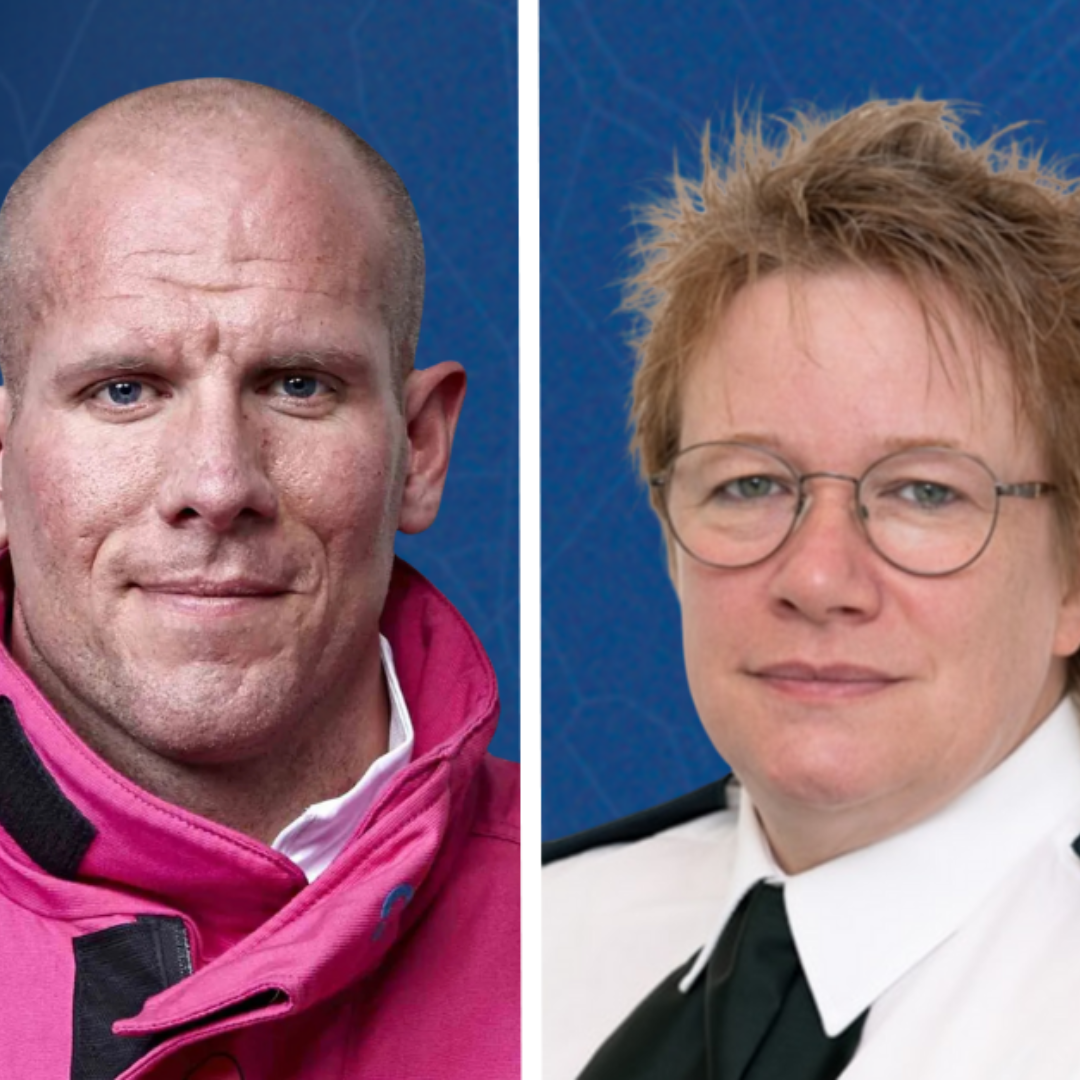
Chaired by Pete Wakefield, Founder and Presenter of The Fire Fighters Podcast, the session brought together a panel of leaders who have spent their careers navigating the demands of frontline service and organisational change. Hein Scheffer, Mark Baxter and Pauline Cranmer shared their perspectives on how leadership must evolve to meet modern challenges across the emergency services.
Key Takeaways
✅ In addition to technical ability, leadership competence is essential.
Operational ability may secure promotion, but leading people requires a different skillset. The panel agreed that modern leaders must excel at empathy and communication. These qualities enable them to connect with their teams and inspire change. Leadership development must therefore focus not only on what leaders know but also on how they behave.
✅ Transparency builds trust and fairness.
Recruitment and promotion processes must be open, data-driven and fair. The panel spoke about ending the informal “tap-on-the-shoulder” culture that can limit diversity and discourage potential talent. Clear pathways and visible standards for progression create confidence among staff that opportunity is based on merit.
✅ Leadership development must be continuous and intentional.
True growth cannot depend on one-off courses or promotion boards. Continuous investment in coaching, mentoring and feedback builds self-awareness and confidence. The best leaders remain open to learning and reflection throughout their careers.
✅ Inclusion and allyship strengthen organisations.
The conversation highlighted that diversity and inclusion are not separate goals but central to performance and resilience. Leaders who champion allyship and create space for a range of voices contribute to stronger, more adaptive teams.
✅ Feedback, even when difficult, is an act of leadership.
Delivering bad news well with empathy, clarity, and actionable feedback, helps individuals grow and maintains organisational integrity. Avoiding difficult conversations erodes trust. When leaders communicate honestly and with compassion, they build a culture of continuous improvement.
✅ Visibility matters.
People need to see leaders who look like them and understand their lived experiences. Representation within leadership not only supports equality but also strengthens recruitment, retention, and public confidence. Visibility signals that the organisation values diversity and creates pathways for all.
Chaired by Pete Wakefield, Founder and Presenter of The Fire Fighters Podcast, the session brought together a panel of leaders who have spent their careers navigating the demands of frontline service and organisational change. Hein Scheffer, Mark Baxter and Pauline Cranmer shared their perspectives on how leadership must evolve to meet modern challenges across the emergency services.
Key Takeaways
✅ In addition to technical ability, leadership competence is essential.
Operational ability may secure promotion, but leading people requires a different skillset. The panel agreed that modern leaders must excel at empathy and communication. These qualities enable them to connect with their teams and inspire change. Leadership development must therefore focus not only on what leaders know but also on how they behave.
✅ Transparency builds trust and fairness.
Recruitment and promotion processes must be open, data-driven and fair. The panel spoke about ending the informal “tap-on-the-shoulder” culture that can limit diversity and discourage potential talent. Clear pathways and visible standards for progression create confidence among staff that opportunity is based on merit.
✅ Leadership development must be continuous and intentional.
True growth cannot depend on one-off courses or promotion boards. Continuous investment in coaching, mentoring and feedback builds self-awareness and confidence. The best leaders remain open to learning and reflection throughout their careers.
✅ Inclusion and allyship strengthen organisations.
The conversation highlighted that diversity and inclusion are not separate goals but central to performance and resilience. Leaders who champion allyship and create space for a range of voices contribute to stronger, more adaptive teams.
✅ Feedback, even when difficult, is an act of leadership.
Delivering bad news well with empathy, clarity, and actionable feedback, helps individuals grow and maintains organisational integrity. Avoiding difficult conversations erodes trust. When leaders communicate honestly and with compassion, they build a culture of continuous improvement.
✅ Visibility matters.
People need to see leaders who look like them and understand their lived experiences. Representation within leadership not only supports equality but also strengthens recruitment, retention, and public confidence. Visibility signals that the organisation values diversity and creates pathways for all.